
You want a scuba suit that’s both comfortable and durable underwater.
The Seaskin 3mm wetsuits offer great warmth with easy front zippers.
DIVE & SAIL’s 1.5mm shorty is lightweight and flexible for warm waters.
XUKER’s 2mm/3mm suits provide full coverage and durability.
Lemorecn’s 3mm wetsuits add reinforced knees and UV protection.
Hevto’s 3/2mm design combines warmth with dual zippers for convenience.
Keep exploring to discover how these suits can enhance your diving experience.
| Image | Name | Editor's Rating | Price |
|---|---|---|---|
|
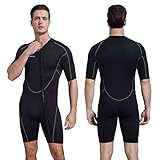
Seaskin Mens 3mm Shorty Wetsuit, Full Body Diving Suit Front...
|
|
|
|
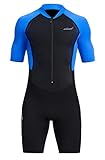
Men UV Protection Wetsuits 1.5mm Short Sleeve Diving Suit...
|
|
|
|
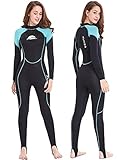
XUKER Wetsuit Women, 2mm Neoprene Long Sleeve Full Body Back...
|
|
|

|
Lemorecn Wetsuits Jumpsuit Neoprene 3/2mm Full Body Diving.....
|
|
|

|
Hevto Men Wetsuit 3/2mm Neoprene Full Suit Back Zip (Blue...
|
|
Seaskin Mens and Womens 3mm Shorty and Full Body Front Zip Wetsuits for Diving and Water Sports
- Please refer to the Seaskin size chart...
- The men's wetsuit should fit snugly and...
- Three layers of diving fabrics front zip...
The Seaskin 3mm Shorty and Full Body Front Zip Wetsuits are designed for both men and women who need reliable protection in the water. Constructed with 90% neoprene and 10% nylon, these wetsuits deliver excellent stretch and warmth through a three-layer design. A heavy-duty YKK front zipper ensures easy wear and removal.
Flat-lock stitched seams increase durability and help prevent water from entering, keeping you comfortable during aquatic activities. The wetsuits provide a snug fit that may feel tight initially but adjusts after a few uses. For maintenance, handwashing in cold water and air drying is recommended to preserve the suit’s quality.
Best for: Divers, snorkelers, kayakers, and swimmers seeking a comfortable and durable wetsuit that fits well and retains heat in moderate water temperatures.
Pros:
- Three-layer design with neoprene and nylon for stretch and insulation
- Heavy-duty YKK front zipper for convenience
- Flat-lock seams enhance durability and reduce water entry
- Suitable for a variety of water sports and activities
Cons:
- Handwashing and air drying required, which might be less convenient
- Initial fit may be snug and require adjustment
- 3mm thickness may not suffice for very cold water conditions
DIVE & SAIL Adult 1.5mm Shorty Neoprene Wetsuit for Water Sports
- Material: Premium Neoprene. 1.5mm diving...
- UV Sun Protection: Shorty wetsuit is...
- Front Zipper: Front Zipper for easy on...
The DIVE & SAIL Adult 1.5mm Shorty Neoprene Wetsuit offers lightweight protection for water sports. Made from premium neoprene with four-way stretch, it allows full mobility while guarding against reef scrapes and jellyfish stings. The short sleeves and legs help keep you cool in warm conditions.
This wetsuit features UPF 50+ fabric to shield your skin from harmful UVA and UVB rays. A front zipper with a secure fastener makes putting it on and taking it off simple. For best results, order a size up and hand wash to preserve its quality and flexibility.
Best for: water sports enthusiasts needing flexible, sun-protective gear for warm-water activities.
Pros:
- Lightweight 1.5mm neoprene with four-way stretch for enhanced mobility
- UPF 50+ fabric provides strong sun protection
- Front zipper with secure fastener enables easy dressing
Cons:
- Ordering a size up may cause some sizing uncertainty
- Shorty design might offer limited warmth in cooler water
- Hand wash care instructions require more maintenance than machine washable options
XUKER Neoprene Wetsuit for Women and Men (2mm/3mm) Full Body Dive Suit
- Trapping Warmth by Premium Neoprene: The...
- Protect the Skin from Damage and...
- Easy to Wear: We choose to open the...
The XUKER Neoprene Wetsuit offers a versatile design for both women and men. It comes in two thickness options—2mm and 3mm—to suit different water temperatures. Crafted from 90% neoprene and 10% nylon, it efficiently traps a thin layer of water to keep you warm.
This full-body dive suit protects your skin from stings and sun exposure, covering your torso and limbs while leaving the face, hands, and feet exposed. A back zipper makes it easy to put on and take off without assistance. The wetsuit is ideal for swimming, snorkeling, diving, and other water sports, combining comfort with durability.
Best for: Water sports enthusiasts seeking a warm and protective wetsuit adaptable to varying temperature conditions.
Pros:
- Two thickness options provide adaptable thermal insulation
- Full-body coverage shields against stings and sun exposure
- Back zipper allows easy independent dressing
- Durable neoprene and nylon construction
Cons:
- Does not cover face, hands, or feet, requiring extra gear
- Thickness may be insufficient for very cold waters
- Neoprene and nylon might limit breathability during long use
Lemorecn Men’s and Women’s Full Wetsuits for Diving, Snorkeling, Surfing, and Swimming
- 3MM PREMIUM NEOPRENE & COLD WATER...
- EASY-ON DESIGN & SECURE FIT:Back zipper...
- REINFORCED DURABILITY FOR ROUGH...
Lemorecn offers full wetsuits for men and women designed for diving, snorkeling, surfing, and swimming. Made from 3mm neoprene, these wetsuits help maintain body heat in water temperatures of 55°F and above. The front zipper with adjustable velcro keeps water out and allows easy dressing and removal.
These wetsuits include reinforced knee pads that resist abrasion and a durable YKK zipper to handle rough surfaces. They provide UV 50+ protection and feature a lightweight, compact design that is convenient for travel and various water activities.
Best for: Water sports enthusiasts and divers who need a versatile wetsuit that balances warmth, durability, and UV protection in moderate water conditions.
Pros:
- 3mm neoprene retains warmth in water 55°F and above.
- Reinforced anti-abrasion knee pads and sturdy YKK zipper enhance durability.
- UV 50+ protection with a lightweight, compact design suitable for travel.
Cons:
- May not provide enough insulation for very cold water below 55°F.
- Requires hand washing and air drying, which might be less convenient.
- Front zipper design could offer less flexibility compared to back-zip suits.
Hevto Men 3/2mm Neoprene Wetsuit with Back and Front Zip for Cold Water Sports
- Why - Wetsuits can give you extra warmth...
- What - Hevto training wetsuits are...
- Where - Hevto wetsuits are made of 3/2mm...
The Hevto Men 3/2mm Neoprene Wetsuit is designed for cold water sports, offering a blend of warmth and flexibility. It features dual back and front zippers that make it easy to put on and take off. The 3/2mm neoprene combined with nylon stretch fabric ensures comfort and freedom of movement during activities like surfing, diving, and swimming.
This wetsuit efficiently traps body heat and improves buoyancy, helping you stay comfortable and safe in chilly waters. Its sturdy zipper design adds durability, while the royal blue accents enhance its style. The wetsuit is practical and reliable for extended water sessions.
Best for: Beginner and amateur men seeking a warm, flexible wetsuit for cold water sports such as surfing, diving, and swimming.
Pros:
- Flexible 3/2mm neoprene and nylon fabric for ease of movement
- Dual zippers for convenient wear and removal
- Good heat retention and buoyancy support
Cons:
- May be less suitable for extremely cold water
- Limited color choices outside royal blue and black
- Sizing might need careful attention for best fit
Factors to Consider When Choosing a Scuba Suit
When choosing a scuba suit, you need to focus on material and thickness to match water temperatures. Make certain the fit feels comfortable and check zipper placement for ease of use.
Don’t forget to take into account thermal insulation, durability, and seam quality to guarantee long-lasting protection.
Material and Thickness
Although choosing a scuba suit might seem straightforward, selecting the right material and thickness is essential for staying warm, flexible, and protected underwater. Most suits combine about 90% neoprene for insulation and flexibility with 10% nylon for durability and comfort.
You’ll find wetsuit thicknesses ranging from 1.5mm to over 5mm—thicker suits keep you warmer in cold water but may reduce flexibility. Typically, suits have multiple layers: a tough nylon outer layer, an insulating neoprene middle, and a soft inner lining for comfort.
Picking the right thickness depends on the water temperature you’ll enter, while the material mix guarantees you retain body heat and stay shielded from underwater hazards. Choosing wisely keeps your experience comfortable and safe.
Fit and Comfort
Since a scuba suit’s primary role is to keep you warm, it should fit snugly to prevent water from flushing in and out, which can sap your body heat. To find the right fit, always consult the sizing charts from each manufacturer, as sizes can differ and suits may stretch with use. Neoprene’s natural stretch helps the suit conform to your body, boosting both comfort and flexibility underwater.
Pay attention to features like flat-lock stitched seams—they reduce chafing and enhance durability. Remember, a thicker suit might limit your movement, while a thinner one may not offer enough comfort in cooler waters. Balancing fit and flexibility guarantees you stay comfortable and protected on every dive.
Thermal Insulation
Choosing the right thermal insulation is crucial to keeping you warm and comfortable during your dives. Neoprene, the primary material in wetsuits, traps a thin layer of water between your skin and the suit. This layer heats up from your body, maintaining warmth through friction and reducing heat loss.
You’ll find neoprene thickness varies from 1.5mm to 5mm, so pick one suited to your dive conditions and water temperature. A snug fit is essential—it prevents water from flushing in and out, which would cool you down. Many wetsuits feature multiple layers, combining a durable outer nylon with a soft inner layer to boost warmth and comfort.
Especially in colder waters, proper thermal insulation helps maintain your core temperature and extends your dive time safely.
Zipper Placement
Keeping warm underwater is important, but so is how easily you can put on and take off your scuba suit. Zipper placement plays a big role in this. Front zippers offer more accessibility, letting you suit up or exit quickly without help—perfect if you often switch between activities.
Back zippers provide a sleeker fit that can improve hydrodynamics, but you might need assistance to manage them alone. The zipper’s quality matters too; heavy-duty YKK zippers enhance durability and function over time. Plus, adjustable zippers can minimize water entry, keeping you warmer and more comfortable.
When choosing your suit, consider how zipper placement fits your routine and preferences to balance convenience and performance underwater.
Durability and Seams
While comfort and fit matter, durability often determines how long your scuba suit will last through countless dives. Pay close attention to the seams—flat-lock stitching usually offers better strength and comfort than traditional methods. Look for reinforced areas like anti-abrasion knee pads; these protect your suit from damage caused by rocks and surfboards.
High-quality zippers, especially from trusted brands like YKK, guarantee smooth operation and secure closure, extending the suit’s lifespan. The material blend, often neoprene combined with nylon, provides flexibility while resisting wear. To keep your suit durable, maintain it properly by hand washing and drying it thoroughly.
This prevents seam and material deterioration, so your scuba suit stays reliable dive after dive.
UV Protection
Durability keeps your scuba suit reliable underwater, but protecting your skin above water matters just as much. Look for wetsuits with a high Ultraviolet Protection Factor (UPF), ideally UPF 50+, to shield you from harmful UVA and UVB rays. Darker colors generally offer better UV defense, and thicker materials add extra protection.
Many wetsuits feature longer sleeves and higher necklines to cover more skin, reducing your exposure to the sun. Remember, no wetsuit can block all UV rays, so it’s smart to apply sunscreen on any exposed areas. Choosing a suit with excellent UV protection helps prevent painful sunburns and long-term skin damage, especially when you spend extended time on the water’s surface or during boat rides before and after dives.
Mobility and Flexibility
Because your wetsuit needs to move with you, choosing one with the right mobility and flexibility is crucial. Look for suits made from four-way stretch neoprene, which lets you move freely without feeling restricted. A wetsuit should fit snugly to keep warmth but never limit your range of motion.
If you prefer more freedom, shorty wetsuits with short sleeves and legs offer extra flexibility, perfect for snorkeling or kayaking. Keep in mind, thinner neoprene—around 1.5mm—provides better mobility than thicker options, which focus on insulation. Also, pay attention to zippers; high-quality YKK or back zippers make getting in and out easier, so you can adjust quickly before diving in.
Prioritizing these features guarantees your wetsuit supports your movement underwater and above.
Care and Maintenance
Anyone who owns a scuba suit knows that proper care and maintenance are key to extending its lifespan and performance. Always hand wash your wetsuit in cold water using a mild detergent to protect its material and fit. After washing, flat dry it away from direct sunlight to prevent damage to the neoprene and nylon.
Avoid bleach and never iron your suit, as these can ruin the fabric and reduce its effectiveness. Regularly check for wear, like frayed seams or faulty zippers, to maintain safety and function. When storing, hang your wetsuit on a wide hanger in a cool, dry place to keep its shape and avoid creases.
Following these steps guarantees your scuba suit stays comfortable and durable for every dive.
Frequently Asked Questions
How Do Wetsuits Differ From Drysuits for Scuba Diving?
Wetsuits let water in to warm your body, while drysuits keep you completely dry by sealing out water. You’ll prefer wetsuits for warmer waters; choose drysuits for colder dives or longer underwater sessions.
Wetsuits work by allowing a thin layer of water to enter and be trapped between the suit and your skin. This water is warmed by your body heat, providing insulation.
Drysuits, on the other hand, prevent any water from entering, keeping you dry and insulated with the air trapped inside. They are ideal for cold water diving and extended underwater activities.
What Maintenance Tips Extend the Life of a Scuba Suit?
Picture rinsing your scuba suit in fresh water right after each dive to wash away salt and grime.
You’ll want to hang it in shade, avoid harsh detergents, and check seams regularly to keep it lasting longer.
Can Scuba Suits Be Customized for Different Body Types?
Yes, you can customize scuba suits to fit your unique body shape. Many manufacturers offer tailored options or adjustable features, ensuring better comfort and performance underwater by accommodating different body types perfectly.
Are There Eco-Friendly Materials Used in Scuba Suit Production?
Yes, you’ll find scuba suits made with eco-friendly materials like natural rubber and recycled neoprene. These options reduce environmental impact while still providing comfort and durability for your underwater adventures.
You’ll love the sustainable choice!
How Do Wetsuit Thicknesses Affect Underwater Mobility?
Thicker wetsuits can feel like wearing armor, restricting your movements underwater. You’ll have less flexibility but better insulation.
Thinner suits let you move freely but provide less warmth, so choose based on your dive conditions.
Conclusion
Choosing the right scuba suit can feel like searching for a needle in a haystack, but luckily, you’ve just stumbled upon five top picks that balance comfort and durability perfectly. Whether you’re immersing yourself in warm tropical waters or chilly depths, one of these suits is bound to fit your needs like a glove.
So go ahead, suit up, and plunge in—your next underwater adventure is waiting, and you’re ready to make a splash!

I am a passionate explorer of the deep sea, endlessly fascinated by the mysteries that lie beneath the ocean’s surface. From the graceful glide of a manta ray to the powerful presence of a great white shark, I find inspiration in every creature that calls the sea its home. My love for marine life began at an early age and has grown into a lifelong mission to study, understand, and share the wonders of our blue planet. Through Planet Shark Divers, I combine my enthusiasm for sharks and other sea animals with a dedication to education and conservation. Each article is crafted to unravel myths, reveal fascinating facts, and inspire respect for the extraordinary life forms that thrive in the depths. Whether it’s the biology of a hammerhead or the mystery of the deep abyss, my goal is to bring the ocean closer to everyone’s heart and mind.