
You want scuba hoses that are durable, flexible, and reliable for safe, comfortable dives.
Top picks for 2025 include XS Scuba Miflex Low Pressure Braided Hoses (22”), Scuba Choice 350PSI Low Pressure Hose (26”), XS Scuba Miflex High Pressure Carbon HD Hoses, and flexible Low Pressure Braided Diving Hoses (36”).
These hoses resist kinks, handle oxygen safely up to 40%, and fit standard gear.
Discover how to choose the perfect hose to match your diving needs.
| Image | Name | Editor's Rating | Price |
|---|---|---|---|
|
XS Scuba Miflex Low Pressure Braided Hos...
|
|
|

|
Scuba Choice 350PSI Low Pressure LP Hose...
|
|
|

|
XS Scuba Miflex High Pressure Carbon HD ...
|
|
|
|
|
XS Scuba Miflex High Pressure Carbon HD ...
|
|
|
|
SAEKODIVE Low Pressure Braided Diving Ho...
|
|
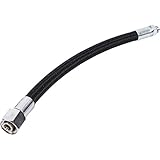
XS Scuba Miflex Low Pressure Braided Hoses – Black, 22″
- Lightweight and flexible low pressure...
- Multi-layer construction
- Excellent resistance to abrasion
The XS Scuba Miflex Low Pressure Braided Hose offers a durable and flexible solution for scuba setups. Measuring 22 inches in length, it features a sleek black finish and a lightweight build. Its multi-layer construction includes a polyether-based polyurethane inner liner that resists abrasion and prevents kinks.
This hose is designed for safety and reliability. It is factory tested, meets EN250 standards, and is approved for use with oxygen concentrations up to 40%. Each hose proudly carries the Miflex logo and a date code, reflecting its Italian craftsmanship.
Best for: Divers seeking a reliable, flexible low pressure hose that supports oxygen-enriched air and meets strict safety requirements.
Pros:
- Lightweight and highly flexible with multi-layer construction
- Abrasion-resistant polyether-based polyurethane liner
- Factory tested and EN250 approved for safety
- Suitable for use with up to 40% oxygen
Cons:
- Length fixed at 22 inches, which might not fit all setups
- Black finish may show wear or dirt more readily
- Premium materials and Italian production could limit availability
Scuba Choice 350PSI Low Pressure Hose for BCD (26”)
- HIGH-QUALITY 350 PSI LP HOSE - Durable...
- COMPATIBLE WITH STANDARD BCDs - Designed...
- STABLE AIRFLOW AT 350 PSI - Provides...
The Scuba Choice 350PSI Low Pressure Hose for BCD (26”) offers a durable and reliable connection for your buoyancy control device. With a sturdy 350 PSI rating, it ensures consistent performance during dives. Its 26-inch length provides flexibility and ease of movement underwater.
Designed to fit standard BCDs, this hose delivers stable airflow for precise buoyancy control. The flexible material helps prevent kinks and leaks, maintaining safe operation throughout your dive. It is suitable for divers who need a dependable low-pressure hose without extra fittings.
Best for: Divers seeking a durable, compatible low-pressure hose for secure BCD connection and reliable buoyancy management.
Pros:
- Strong 350 PSI rating for lasting durability
- Flexible 26-inch length for comfortable movement
- Compatible with standard BCDs for leak-free airflow
Cons:
- Length may not suit those needing longer hoses
- Pressure rating might not fit specialized equipment
- Does not include additional fittings or adapters
XS Scuba Miflex High Pressure Carbon HD Hoses
- 7/16” x 20 female threads with strain...
- 7/16” x 20 male threads with strain...
- Graphite carbon hose color
The XS Scuba Miflex High Pressure Carbon HD Hose offers a slim, lightweight design that is 35% thinner than traditional rubber hoses. Measuring 7.8 mm in diameter and weighing just 0.5 pounds, this 6-inch hose provides excellent flexibility and ease of movement. Its graphite carbon polyurethane blend enhances durability and wear resistance.
Fitted with electroless nickel-plated brass connectors, the hose safely supports oxygen levels up to 40%. It includes a shock absorber and deep airspool well, ensuring a secure and reliable connection in demanding conditions. This hose is designed for divers who prioritize streamlined gear without compromising strength or safety.
Best for: Divers seeking a flexible, lightweight high-pressure hose compatible with oxygen-rich environments.
Pros:
- 35% thinner than traditional rubber hoses for improved maneuverability.
- Durable graphite carbon polyurethane construction.
- Electroless nickel-plated brass fittings safe for up to 40% oxygen.
- Includes shock absorber and deep airspool well for secure connections.
Cons:
- Length of 6 inches might not suit all setups.
- May not fit regulators with different thread sizes or fittings.
XS Scuba Miflex High Pressure Carbon HD Hoses
- 7/16” x 20 female threads with strain...
- 7/16” x 20 male threads with strain...
- Graphite carbon hose color
The XS Scuba Miflex High Pressure Carbon HD Hoses are designed for divers seeking lightweight, low-profile performance. These hoses are about 35% thinner and weigh nearly half as much as traditional rubber hoses. Measuring under 8 mm in diameter, they help reduce bulk and drag, making your dive gear more comfortable.
Built with durable polyurethane, polyester, and nylon, these hoses feature electroless nickel-plated brass fittings for longevity. They are approved for oxygen mixes up to 40%, with added strain relief and shock absorbers to enhance safety during dives. This combination of materials and design supports reliable high pressure function.
Best for: Divers who want a slim, oxygen-compatible high pressure hose that minimizes gear bulk while maintaining durability.
Pros:
- 35% thinner and about half the weight of standard rubber hoses
- Durable polyurethane, polyester, and nylon construction
- Electroless nickel-plated brass fittings for corrosion resistance
- Approved for oxygen mixes up to 40%, with strain relief and shock absorption
Cons:
- Availability and sizing options might be limited due to niche market
- Oxygen compatibility is restricted to mixes up to 40%
- Slightly higher price point compared to traditional rubber hoses
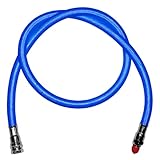
Low Pressure Braided Diving Hose for Scuba Diving (Blue/36″)
- WIDE USAGE: With an impressive working...
- LIGHT & FLEXIBLE: Engineered with...
- EXTREMELY DURABLE: Featuring PET fiber...
The Low Pressure Braided Diving Hose (Blue/36″) offers a lightweight and flexible solution for scuba divers. It features a durable PET fiber braided core covered by a nylon exterior, which resists abrasion and corrosion from seawater. This hose maintains a working pressure of 500 PSI and a burst pressure of 1500 PSI, providing reliable safety during underwater activities.
Designed with an 11.5 mm diameter and weighing just over 4 ounces, it is easy to handle and maneuver. The hose supports oxygen mixes up to 40%, making it suitable for many recreational diving scenarios. Its sturdy construction ensures long-lasting performance even in challenging marine environments.
Best for: Divers seeking a durable, flexible low-pressure hose compatible with oxygen-enriched air up to 40% for everyday scuba use.
Pros:
- Lightweight and flexible with abrasion-resistant PET fiber braiding and nylon outer layer
- High safety standards with 500 PSI working pressure and 1500 PSI burst pressure
- Corrosion-resistant design for extended use in seawater
Cons:
- Usage limited to oxygen mixes up to 40%, not for higher concentrations
- Available only in two fixed lengths, which might not suit all preferences
- Lower ranking in Sports & Outdoors may reflect less widespread recognition
Factors to Consider When Choosing Scuba Hoses
When choosing scuba hoses, you need to take into account factors like the right length, material durability, and pressure ratings to guarantee safety and comfort. Pay attention to flexibility and weight since they affect your mobility underwater.
Also, make certain the hose is compatible with oxygen to avoid any risks during your underwater adventures.
Hose Length Selection
Choosing the right length for your scuba hose can make a significant difference in comfort and safety underwater. Typically, hoses range from 22 to 36 inches. A 22-inch hose works well if you prefer a streamlined setup with minimal movement, especially for low-pressure applications.
If you want more flexibility and reach, consider 26- or 36-inch options—they allow easier connection and better manageability of your gear. Longer hoses also boost safety by enabling you to share air or assist a buddy during emergencies.
When picking a hose length, make certain it fits your personal gear and matches your diving style and environment. Getting this right guarantees you stay comfortable and prepared every time you dive.
Material Durability
Because scuba hoses face harsh underwater conditions, you need to prioritize material durability when selecting one. Look for hoses made from tough materials like polyurethane or nylon, as they resist abrasion and corrosion from seawater effectively.
Multi-layer constructions not only boost strength but also keep hoses flexible and lightweight, making your dives more comfortable. Consider hoses with PET fiber braiding, which offers a durable yet lightweight option ideal for regular diving.
Features like kink resistance and abrasion resistance are essential to maintain reliable performance in challenging environments. Choosing a hose with these durable materials guarantees it withstands underwater stress and lasts longer, giving you confidence in your gear every time you dive.
Material durability is key to safety and long-term value in your scuba equipment.
Pressure Ratings
Durable materials provide a solid foundation, but you also need to pay attention to pressure ratings to confirm your scuba hoses perform safely under stress. Most hoses operate between 350 and 500 PSI, with low pressure hoses around 350 PSI designed for your buoyancy control device, confirming steady airflow. High pressure hoses, usually under 8 mm in diameter, handle regulator connections and can tolerate higher pressures.
You should also consider burst pressure; some hoses withstand up to 1500 PSI, offering extra durability in extreme conditions. Finally, make sure your hoses are approved for oxygen levels up to 40%, so they remain safe across different dive environments. Choosing the right pressure rating confirms your gear stays reliable and secure throughout every dive.
Flexibility and Weight
While diving, you’ll appreciate scuba hoses that bend easily and weigh less, as they reduce strain and boost comfort underwater. Flexible hoses let you maneuver effortlessly, preventing kinks that can disrupt airflow and compromise your buoyancy control. Choosing hoses made with durable materials like PET fiber braiding and polyurethane guarantees flexibility without sacrificing strength, so they hold up in harsh conditions.
Lightweight hoses—some up to 35% thinner than traditional rubber—cut down the overall gear weight, making your dive more manageable. This balance of flexibility and lightness not only improves your comfort but also enhances safety and performance. When selecting scuba hoses, prioritize those that offer smooth movement and reduced weight to keep your focus on the dive, not your equipment.
Oxygen Compatibility
Along with flexibility and weight, oxygen compatibility plays a key role when choosing scuba hoses. You need hoses approved for the oxygen concentration you’ll use, typically up to 40% for recreational diving. Materials matter—polyurethane hoses usually handle oxygen exposure better than PVC ones, offering greater durability under pressure.
Always look for hoses individually tested for oxygen compatibility to guarantee safe performance during your dives. Multi-layer hoses provide excellent resistance to degradation from higher oxygen levels, extending hose life. Don’t forget to check for certifications like EN250, which confirm that the hose meets international safety standards for oxygen use in scuba diving.
Choosing a hose with these qualities helps you dive safely and confidently, knowing your equipment stands up to the demands of enriched air environments.
Connector and Fitting Types
Connectors and fittings play an essential role in the performance and safety of your scuba hoses. You’ll find most hoses use standard 7/16” x 20 fittings, ensuring compatibility with a wide range of diving gear. When choosing connectors, consider materials like electroless nickel plated brass, which offer excellent durability and resistance to corrosion.
It’s vital to pick fittings approved for gas mixtures containing up to 40% oxygen to keep your dives safe. Look for kink-resistant designs that prevent airflow blockages, maintaining smooth breathing underwater. Also, connectors with proper strain relief features reduce stress on hoses and fittings, extending their lifespan and ensuring reliable connections.
Prioritizing these factors in connector and fitting types means you get hoses that perform consistently and last longer.
Frequently Asked Questions
How Do I Properly Clean and Maintain My Scuba Hoses?
You should rinse your scuba hoses with fresh water after every dive, avoid harsh chemicals, dry them completely, and store them away from direct sunlight or sharp objects to keep them flexible and prevent damage.
Make sure to inspect your hoses regularly for any signs of wear or damage.
Replace them immediately if you notice any cracks, bulges, or leaks to ensure your safety underwater.
Can Scuba Hoses Be Repaired if They Get Damaged?
Can you safely dive with a damaged hose? No, you can’t. While minor issues might be patched temporarily, it’s best you replace damaged scuba hoses to guarantee your safety and avoid potential underwater failures.
What Is the Typical Lifespan of a Scuba Hose?
You can expect a scuba hose to last about 5 to 10 years with proper care. Regularly inspect it for cracks or wear, and replace it sooner if you notice any damage to stay safe underwater.
Are There Different Hoses for Saltwater vs. Freshwater Diving?
Yes, you’ll find hoses designed for saltwater and freshwater diving; saltwater hoses resist corrosion better, while freshwater hoses prioritize flexibility and cost-effectiveness.
Choosing the right one guarantees durability, performance, and your safety underwater.
How Do Temperature Changes Affect Scuba Hose Performance?
Temperature changes can make your scuba hoses stiffer or more flexible, affecting your breathing ease.
Cold water often hardens hoses, so you’ll want ones designed to stay flexible in low temperatures for safety and comfort.
Conclusion
When choosing your scuba hose, think about durability and flexibility to guarantee safety underwater. For instance, imagine you’re diving in strong currents—using the XS Scuba Miflex Low Pressure Braided Hose means you won’t worry about kinks or leaks, keeping your air flowing smoothly.
Picking the right hose isn’t just about gear; it’s about peace of mind. So, trust reliable options that match your diving style and conditions to enjoy every dive confidently.

I am a passionate explorer of the deep sea, endlessly fascinated by the mysteries that lie beneath the ocean’s surface. From the graceful glide of a manta ray to the powerful presence of a great white shark, I find inspiration in every creature that calls the sea its home. My love for marine life began at an early age and has grown into a lifelong mission to study, understand, and share the wonders of our blue planet. Through Planet Shark Divers, I combine my enthusiasm for sharks and other sea animals with a dedication to education and conservation. Each article is crafted to unravel myths, reveal fascinating facts, and inspire respect for the extraordinary life forms that thrive in the depths. Whether it’s the biology of a hammerhead or the mystery of the deep abyss, my goal is to bring the ocean closer to everyone’s heart and mind.