
If you want reliable manual air pumps for your car tires in 2026, it’s essential to choose models that offer durability, precision, and ease of use.
The Custom Accessories 57773 delivers up to 70 PSI with a sturdy steel barrel, making it a dependable choice for regular tire inflation.
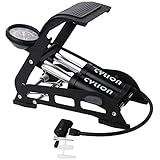
For higher pressure needs, the Double Cylinder Foot Pump reaches 160 PSI and features a convenient pressure gauge for accurate monitoring.
Another great option is the Beach Wagon Pump, specifically designed for balloon tires, providing tailored inflation without hassle.
These pumps combine durability, ease of use, and precise inflation control.
Keep exploring to uncover what makes each option stand out for your tire maintenance needs.
| Image | Name | Editor's Rating | Price |
|---|---|---|---|

|
57773 '70 PSI' Deluxe Hand Pump, Red
|
|
|
|
Double Cylinder Foot Air Pump, Precision Pressure Gauge High...
|
|
|

|
Femotic Portable Manual Air Pump for Inflating Beach Wagon.....
|
|
Custom Accessories 57773 ’70 PSI’ Deluxe Hand Pump, Red
- Product is a 70 PSI Tire Pump: Has a...
- Easy and simple use kit: Designed for...
- Manufactured in China: Place of...
The Custom Accessories 57773 ’70 PSI’ Deluxe Hand Pump is designed for efficient manual tire inflation. Its durable 1-1/2 inch steel barrel and cast iron base provide solid stability during use. This red hand pump delivers up to 70 PSI, making it suitable for car tires.
Weighing just 0.01 ounces, it is highly portable and easy to store. While it does not feature a built-in pressure gauge, its robust construction ensures reliable and long-lasting performance. The pump’s manual operation offers precise control over tire pressure.
Best for: individuals needing a lightweight and sturdy manual pump for everyday tire inflation and convenient transport.
Pros:
- Durable steel barrel and cast iron base for stability
- Compact and lightweight for portability
- Provides up to 70 PSI, ideal for car tires
Cons:
- Lacks an integrated pressure gauge
- Manual pumping may require more effort than electric models
- Maximum pressure of 70 PSI might not suit all tire types
Important: The description reflects the product’s features as provided without additional claims.
Double Cylinder Foot Air Pump with Pressure Gauge
- UPC: 784237079045: Unique product code...
- Maximum Pressure: 160 pounds per square...
- Item Type: Floor Bicycle Pumps: Suitable...
The Double Cylinder Foot Air Pump with Pressure Gauge offers precise pressure control in a compact design. Crafted from durable black aluminum, it delivers up to 160 psi, suitable for inflating cars, bikes, motorcycles, and sports equipment. Its foot-operated mechanism provides effortless inflation without hand fatigue.
Equipped with a built-in pressure gauge, this foot pump ensures accurate readings every time. The automatic operation simplifies use, making it easy to maintain proper tire or ball pressure. Weighing just 1.84 kg, it is portable and convenient for storage or transport.
This foot pump combines functionality and ease of use, ideal for those needing a reliable air pump on the go. Its sturdy construction and precise pressure monitoring support varied inflation tasks with efficiency and control.
Best for: Individuals seeking a portable, high-pressure foot pump with precise pressure control for inflating vehicles, sports equipment, and toys.
Pros:
- High maximum pressure of 160 psi suitable for multiple inflation needs.
- Built-in precision pressure gauge ensures accurate inflation.
- Durable, lightweight aluminum design with automatic foot operation for ease of use.
Cons:
- Moderate sales rank may indicate limited availability or niche market.
- Powered by a 12-volt handheld source, which might require additional accessories or batteries.
- Some users may find the foot-operated design less convenient compared to electric pumps.
Portable Manual Air Pump for Inflating Beach Wagon Tires
- This manual air pump is specifically...
The Portable Manual Air Pump for Inflating Beach Wagon Tires is designed to work specifically with Femotic beach buggies that have balloon wheels. Its sturdy metal shell provides durability, making it suitable for outdoor use. The pump’s simple mechanism ensures efficient inflation of these specialized tires.
This manual air pump fits perfectly with Femotic’s balloon wheels, avoiding compatibility issues. It operates without electricity, offering a straightforward and reliable inflation method. The compact design makes it easy to carry and use on the go.
Best for: Owners of Femotic beach buggies with balloon wheels who need a reliable and compatible manual pump for inflating their tires.
Pros:
- Tailored to fit Femotic beach buggy balloon wheels precisely.
- Durable metal construction for long-lasting use.
- Simple, manual operation without the need for power.
- Compact and easy to handle during outdoor activities.
Cons:
- May be limited to use only with Femotic balloon wheels.
- Manual pumping could require more physical effort than electric options.
- Additional accessories might be needed for complete inflation setups.
Important: This product is intended specifically for Femotic beach buggy balloon wheels and uses a manual inflation system with a durable metal shell.
Factors to Consider When Choosing a Manual Air Pump for Car Tires
When choosing a manual air pump for your car tires, you’ll want to check its pressure capacity to guarantee it meets your needs. Consider how the pump operates, its build quality, and whether it’s easy to carry and store.
Also, make sure the pump is compatible with your tire valves for a smooth inflation process.
Pressure Capacity Requirements
How much pressure should your manual air pump deliver to inflate car tires safely? The answer lies in your tire’s recommended PSI. Most car tires need around 35-45 PSI, but high-performance or specialty tires might require more.
You want a pump that can match or exceed this pressure to guarantee proper inflation without risking damage. A pump with a considerably higher maximum PSI offers a useful safety margin, helping you achieve accurate pressure levels easily.
Always check your vehicle’s tire specifications before choosing a pump. Aligning the pump’s pressure capacity with those specs ensures effective and safe tire maintenance, letting you inflate confidently every time without over- or under-inflation concerns.
Pump Operation Type
Two main types of manual air pumps cater to car tire inflation: hand-operated and foot-operated models. Hand-operated pumps let you control the pressure precisely by using a lever or handle, but they often demand more upper body strength, especially at higher pressures.
Foot-operated pumps, on the other hand, use a pedal that lets you inflate tires with less fatigue while handling larger air volumes more efficiently. Your choice will depend on how much effort you’re willing to exert and how portable you want the pump to be.
While manual pumps rarely feature automatic operation, some include pressure gauges that help you avoid overinflation. Considering these operation types guarantees you pick a pump that balances convenience, physical effort, and ease of use for your car tires.
Build Material Quality
Although selecting a manual air pump might seem straightforward, paying close attention to build material quality can make a significant difference in durability and performance. You’ll want to prioritize pumps made from high-quality materials like steel, aluminum, or cast iron, as these metals handle wear and tear much better than plastic.
This means your pump will deliver consistent pressure and last longer, even with frequent use. Also, look for corrosion-resistant materials if you live in humid or salty environments, as they prevent rust and degradation.
A sturdy, well-built pump reduces the risk of structural failure during inflation, making it safer and more reliable. Ultimately, choosing the right build material guarantees your manual air pump stands up to regular use and keeps your car tires properly inflated.
Portability And Size
Once you’ve chosen a manual air pump built to last, the next factor to weigh is portability and size. You want a pump that’s lightweight and compact, so it’s easy to carry and store in your vehicle or bag. Smaller pumps are easier to handle and won’t take up much space, making them perfect for on-the-go use.
Pay attention to the pump’s dimensions and weight—they directly affect how convenient it is to transport frequently. Pumps with foldable or collapsible designs boost portability even more, letting you stash them without hassle. Also, make sure the pump fits comfortably in your hand or a carrying case to guarantee quick, effortless use during emergencies.
Portability and size really matter when you need a pump that’s ready whenever you are.
Compatibility With Tires
When choosing a manual air pump for your car tires, you’ll want to guarantee it matches your vehicle’s specific requirements. First, ensure the pump’s maximum PSI meets or exceeds your tire’s recommended pressure to avoid underinflation. Next, check that the valve connectors fit your tire valve type—whether Schrader or Presta—to ensure a secure connection.
Consider the pump’s size and design for easy attachment and maneuverability on your tire. If the pump includes a pressure gauge, verify it provides accurate readings to avoid overinflation. Finally, think about versatility: if you need to inflate other items like bike tires or sports balls, pick a pump compatible with multiple valve types.
This way, your manual pump won’t just serve your car but other needs too.
Frequently Asked Questions
How Do Manual Air Pumps Compare to Electric Pumps in Efficiency?
Manual air pumps are less efficient than electric ones because you have to put in the physical effort and it takes longer. But you’ll appreciate their reliability, portability, and no need for power sources during emergencies.
Can Manual Air Pumps Be Used for Bike Tires as Well?
Of course, you can! Why limit your pump’s dreams to car tires when it’s perfectly capable of filling bike tires too?
Just switch the nozzle, and voilà—your trusty manual pump becomes a two-wheeled inflation hero!
What Maintenance Is Required for Manual Air Pumps?
You should regularly check for leaks, clean the nozzle, lubricate moving parts, and store the pump in a dry place.
Don’t forget to inspect the hose and seals to keep your manual pump working smoothly and efficiently.
Are Manual Air Pumps Safe for High-Pressure Tires?
Yes, manual air pumps are safe for high-pressure tires if you use them properly. Just monitor the pressure with a reliable gauge, avoid over-pumping, and follow the pump’s instructions to prevent damage or injury.
Using the pump correctly ensures both your safety and the longevity of your tires. Always check the pressure frequently during pumping. This helps avoid any risk of over-inflation.
How Long Does It Typically Take to Inflate a Car Tire Manually?
It typically takes you 5 to 10 minutes to manually inflate a car tire, depending on your pump’s efficiency and tire size.
You’ll get faster with practice, but expect some arm workout during the process.
Conclusion
When choosing a manual air pump for your car tires, you might think bigger pumps always mean faster inflation. But that’s not entirely true. Sometimes, a well-designed, compact pump like the Custom Accessories 57773 offers better pressure control and portability.
You’ll want to balance power, ease of use, and accuracy. Remember, the right pump makes tire maintenance less of a chore—so pick one that fits your needs and keeps you safely on the road.
For the best manual air pumps for car tires in 2026, focus on models that combine efficiency, durability, and convenience. This ensures you stay prepared and your tires remain properly inflated at all times.

I am a passionate explorer of the deep sea, endlessly fascinated by the mysteries that lie beneath the ocean’s surface. From the graceful glide of a manta ray to the powerful presence of a great white shark, I find inspiration in every creature that calls the sea its home. My love for marine life began at an early age and has grown into a lifelong mission to study, understand, and share the wonders of our blue planet. Through Planet Shark Divers, I combine my enthusiasm for sharks and other sea animals with a dedication to education and conservation. Each article is crafted to unravel myths, reveal fascinating facts, and inspire respect for the extraordinary life forms that thrive in the depths. Whether it’s the biology of a hammerhead or the mystery of the deep abyss, my goal is to bring the ocean closer to everyone’s heart and mind.