
If you’re starting a freshwater aquarium, you’ll love beginner-friendly fish like Candy Cane Tetras and Neon Tetras—they’re colorful, peaceful, and thrive in groups. These are among the best freshwater aquarium fish for 2026 beginners love because they’re easy to care for and adaptable.
Striped Kuhli Loaches add activity with their unique stripes and calm nature. Assorted Butterfly Tail Goldfish bring graceful movement and vibrant patterns. Rainbow Fish light up your tank with bright colors.
These fish make your first aquarium enjoyable and manageable. Keep exploring to discover how to create the perfect thriving environment.
Striped kuhli Loach (Pack of 6 Fish) – Aquarium Exotic Freshwater Live Fish

- ✅ Resembling miniature eels, Kuhli...
- ✅ Known for their docile temperament,...
- ✅ Thriving in groups, these loaches...
Bring life and calm to your freshwater aquarium with the Striped Kuhli Loach, a peaceful addition that enhances any community tank. These eel-like fish feature striking bright orange stripes on brown to burgundy bodies, creating a natural and vibrant display. Their social nature means they thrive best in groups, encouraging natural schooling behavior that adds dynamic movement to your tank.
Designed for simplicity, the Striped Kuhli Loach is low-maintenance and adapts well to well-planted tanks. They help keep the aquarium environment balanced by scavenging the substrate gently without disturbing plants or other fish. Their preference for slightly acidic water and moderate temperatures ensures they fit comfortably into many typical freshwater setups.
Feeding is straightforward with a diet of sinking pellets, flakes, and occasional live or frozen treats, promoting healthy coloration and activity. To keep them thriving, a minimum 20-gallon tank with low water flow and ample hiding spots is essential. This setup mimics their natural habitat and reduces stress, supporting their wellbeing.
While they require specific water conditions and the company of at least six loaches, their peaceful temperament and unique look make these fish a rewarding choice for aquarium enthusiasts. They bring harmony and subtle beauty without aggression or high maintenance demands.
Best for: Aquarium hobbyists seeking peaceful, visually appealing freshwater fish that enrich community tanks with natural schooling behavior.
What We Like:
- Peaceful and non-aggressive, ideal for community tanks
- Distinctive bright orange stripes provide vibrant aquarium color
- Easy to feed with a varied diet including pellets and live foods
- Encourages natural schooling behavior when kept in groups
- Low-maintenance with modest habitat requirements
Specification:
| Feature | Details |
|---|---|
| Manufacturer | Aquarium Exotic |
| Quantity | Pack of 6 fish |
| Size | Approximately 3-4 inches (7.6-10 cm) |
| Origin | Indonesia, Malaysia, Borneo |
| Tank Size Minimum | 20 gallons (75 liters) |
| Temperature Range | 70°-79°F (21°-26°C) |
| Water pH | Slightly acidic |
Neon Tetra Live Fish Pack (20 Count)

- ✅ These little live Neon Tetra are one...
- ✅ Their eye-catching coloration live...
- ✅ These live Neon Tetra fish stay...
Bring vibrant life to your freshwater aquarium with the Neon Tetra Live Fish Pack (20 Count). These small, colorful fish brighten any tank with their shimmering blue and neon red stripes. Their peaceful nature helps maintain harmony in community tanks, making them a perfect choice for aquarists looking to add beauty without aggression.
Neon Tetras thrive best in well-established, planted aquariums with stable water conditions. Their preference for hiding spots and gentle environments means your tank will feel natural and balanced. While they are sensitive to sudden water changes, proper acclimation ensures they adapt smoothly, making them manageable even for those newer to fishkeeping.
Keeping a pack of 20 supports their natural schooling behavior, enhancing their vibrant display and reducing stress. Their small size and social temperament create a dynamic, peaceful community tank atmosphere. However, they require gradual adjustment to new tanks and are not suited for freshly cycled systems.
Their stunning coloration and calm demeanor make Neon Tetras a functional and aesthetic addition to your aquatic setup. While breeding these fish in captivity can be challenging, their ease of care and striking appearance offer rewarding aquarium companionship.
Best for: freshwater aquarium owners seeking colorful, peaceful schooling fish that enhance community tanks and thrive with attentive care.
What We Like:
- Bright blue and red stripes add vivid color to aquariums
- Peaceful schooling fish that promote tank harmony
- Adapt well to planted tanks with stable water parameters
- Supports natural social behavior in groups of 6-12 or more
- Suitable for beginners with proper acclimation
Specification:
| Feature | Detail |
|---|---|
| Manufacturer | Neon Tetra Supplier |
| Quantity | 20 Live Fish |
| Size | Approximately 1.5 in |
| Color | Blue and Neon Red |
| Ideal Tank Setup | Planted, stable water |
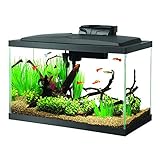
Aqueon Aquarium Fish Tank Starter Kit with LED Lighting 10 Gallon Fish Tank
- PERFECT FOR BEGINNERS AND SEASONED...
- COMPLETE STARTER KIT comes with a glass...
- DURABLE GLASS CONSTRUCTION ensures...
Setting up a freshwater aquarium can feel overwhelming, but the Aqueon Aquarium Fish Tank Starter Kit with LED Lighting 10 Gallon Fish Tank simplifies the process. This all-in-one kit combines essential equipment to help you create a thriving aquatic habitat with minimal hassle. Its thoughtful design helps maintain stable conditions for your fish, reducing common beginner mistakes.
The 10-gallon glass tank features a low-profile full hood with bright cool white LED lighting that mimics natural daylight, enhancing the colors of your fish and plants. The included QuietFlow power filter operates quietly while efficiently keeping the water clean. An LED indicator on the filter helps you know exactly when to replace cartridges, making maintenance straightforward.
A preset submersible heater keeps the water temperature steady at 78°F, ideal for tropical fish species. This eliminates the guesswork in temperature control and supports a healthy environment. The kit also includes a fish net, thermometer, water conditioner, and food samples, ensuring you have the basic tools to start your aquarium confidently.
While the tank size limits the number and variety of fish you can keep, this compact setup fits well in small spaces and is perfect for beginners. Keep in mind that decorative elements and live plants are not included, and filter cartridges will need replacement over time.
Best for: Beginners and hobbyists seeking an easy-to-maintain, fully equipped 10-gallon freshwater aquarium starter kit.
What We Like:
- Cool white LED lighting enhances fish and plant appearance.
- Preset heater maintains consistent 78°F temperature.
- QuietFlow filter with LED cartridge indicator simplifies upkeep.
- Includes essential starter accessories for quick setup.
- Compact 10-gallon size fits well in small rooms or offices.
Specification:
| Feature | Details |
|---|---|
| Manufacturer | Aqueon |
| Tank Capacity | 10 gallons (37.9 liters) |
| Tank Material | Glass |
| Lighting | Cool white LED |
| Filter Type | QuietFlow power filter |
| Heater | Preset submersible at 78°F |
| Included Accessories | Fish net, thermometer, water conditioner, food samples |
| Dimensions (approx.) | Standard 10-gallon size |
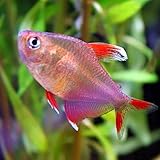
Candy Cane Tetra Live Aquarium Fish (Pack of 8)
- ✅ As peaceful fish, candy cane tetras...
- ✅ The candy cane tetra is a popular...
- ✅ The tributaries and lakes, home to...
Experience the charm of the Candy Cane Tetra, a vibrant and peaceful fish that livens up any freshwater aquarium. Their striking rosy salmon hues create an eye-catching display, while their calm nature ensures harmony in community tanks. These fish thrive best in groups, so a pack of 8 guarantees natural social interaction and reduces stress.
Candy Cane Tetras adapt well to planted and shaded environments, replicating their natural Amazon habitat. This adaptability makes them easy to care for, requiring minimal maintenance and simple water conditions. Their size, usually up to two inches, fits comfortably in home aquariums without overwhelming the space.
Their peaceful temperament allows them to coexist with shrimp and other gentle species, promoting a diverse tank environment. By adding these tetras, you introduce both beauty and tranquility, enhancing the overall ambiance of your aquatic setup.
However, they do require a group setting to exhibit their best behavior, which might be challenging for very small tanks. Additionally, optimal water conditions with tannins and natural acids help maintain their vibrant coloration and health.
Best for: Aquarium beginners and enthusiasts seeking a colorful, peaceful, and low-maintenance freshwater fish ideal for community tanks.
What We Like:
- Bright rosy salmon coloration enhances aquarium aesthetics.
- Social schooling behavior promotes a lively tank environment.
- Low maintenance with good adaptability to planted, shaded tanks.
- Compatible with shrimp and other non-aggressive species.
Specification:
| Feature | Details |
|---|---|
| Species | Candy Cane Tetra |
| Pack Size | 8 fish |
| Max Size | Up to 2 inches (5 cm) |
| Habitat | Freshwater, Amazon-like |
| Behavior | Peaceful, schooling |
| Compatibility | Community tanks |
Assorted Butterfly Tail Goldfish – 3 Pack Live

- ✅ The Butterfly Tail Goldfish is a...
- ✅ The defining feature of this...
- ✅ Butterfly Tail Goldfish come in...
Bring a touch of elegance and charm to your freshwater aquarium with the Assorted Butterfly Tail Goldfish. These unique goldfish feature a stunning butterfly-shaped tail that resembles delicate wings, adding a graceful motion to your tank. Their vibrant colors and variegated patterns brighten any aquatic environment, creating a visually appealing centerpiece.
Designed for easy care, these goldfish thrive in typical freshwater aquarium conditions. They are hardy and adaptable but require stable water temperatures between 65°F and 75°F, with a pH range of 6.0 to 8.0 and moderate hardness. Maintaining these parameters helps ensure their health and longevity.
Their modest size, between 2 and 2.5 inches, makes them suitable for smaller tanks or community setups. However, their delicate tail fins need gentle surroundings free from rough tank mates or overcrowding to prevent damage. This makes them ideal for aquarists who can provide attentive care.
The Assorted Butterfly Tail Goldfish offer a combination of beauty and resilience, making them a rewarding choice for novices and enthusiasts alike. Their unique tail design and lively colors bring a peaceful yet striking presence to any freshwater aquarium.
Best for: Beginners and hobbyists seeking elegant, visually distinct goldfish with butterfly-shaped tails for freshwater tanks.
What We Like:
- Distinctive butterfly-shaped tail adds graceful movement.
- Hardy and adaptable to standard freshwater aquarium conditions.
- Vibrant color varieties enhance tank aesthetics.
- Compact size fits well in smaller aquariums.
- Requires attentive care to protect delicate fins.
Specification:
| Feature | Description |
|---|---|
| Manufacturer | Assorted Butterfly Tail Goldfish |
| Size | 2 – 2.5 inches (5 – 6.4 cm) |
| Color Options | Red, orange, white, black (solid and variegated) |
| Water Temperature | 65°F – 75°F (18°C – 24°C) |
| pH Range | 6.0 – 8.0 |
| Water Hardness | 5 – 20 dH |
Tetra 20 Gallon Tropical Fish Tank Kit

- GLASS AQUARIUM KIT: The kit includes one...
- LED LIGHTING: Energy-efficient LEDs give...
- FILTRATION SYSTEM: The included Tetra...
Transform your living space with the Tetra 20 Gallon Tropical Fish Tank Kit, designed to make freshwater aquarium keeping simple and enjoyable. This all-in-one kit solves the common challenges of setting up a fish tank by providing everything needed for a healthy aquatic environment. Its durable glass tank offers a clear view while resisting scratches, ensuring long-lasting clarity.
Maintaining the tank is hassle-free thanks to the Whisper Filter, which quietly keeps the water clean without disturbing your home. The included Tetra Mini UL Heater maintains a stable temperature, essential for the wellbeing of tropical fish. This thoughtful combination supports a balanced and stress-free habitat for your aquatic pets.
The kit includes four artificial plants and a Boxwood Plant Mat to mimic a natural underwater landscape. These decorations offer hiding places that help reduce fish stress and enhance their comfort. Although artificial, these plants require no upkeep, making tank maintenance easier compared to live plants.
Setting up the tank is straightforward, but you will need to add gravel and select your favorite fish to complete your ecosystem. While the 20-gallon size is ideal for beginners, it may limit the variety and number of fish you can keep, so planning your aquatic community is important.
Best for: Beginners and hobbyists seeking an easy-to-maintain, complete freshwater tropical fish tank kit.
What We Like:
- Scratch-resistant 20-gallon glass tank made in the USA
- Quiet and efficient filtration with Whisper Filter
- Includes heater for precise temperature control
- Artificial plants create a natural, stress-free environment
- Simple setup ideal for newcomers
Specification:
| Feature | Details |
|---|---|
| Manufacturer | Tetra |
| Tank Capacity | 20 gallons (75.7 liters) |
| Material | Glass |
| Filter Type | Whisper Filter |
| Heater Included | Tetra Mini UL Heater |
| Included Decor | 4 artificial plants, Boxwood Plant Mat |
| Lighting | LED hood with daylight effect |
Factors to Consider When Choosing Freshwater Aquarium Fish
When choosing freshwater fish, you’ll want to consider your tank size and whether the fish’s temperament matches others you plan to keep. Pay close attention to their preferred water parameters and social behaviors to ensure a healthy environment.
Also, think about their feeding needs to make sure you can provide the right diet.
Tank Size Requirements
Because your aquarium’s size limits how many and what types of fish you can keep, it’s essential to match your tank to the adult size and activity level of your chosen species. Smaller tanks, like 10 gallons, suit small fish such as Neon Tetras or small Goldfish but restrict the number you can add.
If you want larger fish or those growing beyond 4 inches, you should aim for at least a 20-gallon tank to provide enough swimming space. Overcrowding in a small tank causes stress, poor water quality, and health problems.
Always research the adult size and activity of fish before choosing your aquarium size to ensure they thrive comfortably and display natural behaviors. This planning helps create a healthier, happier environment for your fish.
Fish Temperament Compatibility
Though choosing fish based on size and tank requirements is important, you also need to contemplate their temperament to create a peaceful community aquarium. Fish temperament ranges from peaceful to aggressive, which directly affects their compatibility. Peaceful species like Neon Tetras and Candy Cane Tetras usually coexist well with other non-aggressive fish, making them ideal for beginners.
Aggressive or territorial fish, however, may intimidate or harm more docile tankmates, causing stress or injury. When selecting fish, consider their social and territorial behaviors—schooling fish thrive in groups of six or more, which encourages natural behavior and reduces stress. By understanding each species’ temperament and social needs, you can prevent conflicts and maintain a harmonious, thriving aquarium environment.
Water Parameter Preferences
Understanding fish temperament helps you create a peaceful community, but maintaining the right water conditions is just as vital for their well-being. Each freshwater species thrives within specific pH levels, usually between 5.5 and 8.0, so you’ll want to match your tank’s environment accordingly. Water hardness also matters—some fish prefer soft water (dGH 1-4), while others need harder water (dGH 10-20).
Temperature is another key factor; tropical fish require warmer water around 75-79°F, whereas cold-water species do better between 65-70°F. Keep in mind that stability is essential—sudden changes in pH, hardness, or temperature can stress your fish and make them prone to illness. Regular testing and fine-tuning ensure you provide a consistent environment suited to your fish’s specific needs.
Social Behavior Needs
When choosing freshwater fish, you’ll want to contemplate their social behavior needs to create a balanced and healthy aquarium. Some species, like tetras and kuhli loaches, thrive best in groups of six or more, which helps them exhibit natural behaviors and reduces stress. Schooling fish become more active and display brighter colors when kept with their peers.
On the other hand, aggressive or territorial species might require solitary housing or carefully selected tankmates to avoid conflicts. Understanding each fish’s social hierarchy and compatibility prevents stress-related health problems and keeps your aquarium harmonious. By matching fish based on their social needs, you’ll foster a lively and peaceful environment that supports their wellbeing and longevity.
Feeding and Diet
How you feed your freshwater fish plays a essential role in their health and vibrancy. Different species have specific dietary needs—some are carnivores, others herbivores, and many are omnivores. To keep your fish healthy and colorful, provide a varied diet including sinking pellets, flakes, and live or frozen foods.
Some fish require specialized items like algae wafers or bloodworms to thrive. Be careful not to overfeed; excess food can pollute the water and cause obesity. Feed your fish in moderation, tailored to their species’ requirements.
Regularly check their health and adjust feeding routines as needed. Doing so supports natural behaviors, ideal growth, and overall well-being, making your aquarium a lively and balanced environment your fish will love.
Habitat Simulation Importance
Since freshwater fish rely heavily on their environment, simulating their natural habitat plays a vital role in keeping them healthy and stress-free. You’ll want to replicate water parameters like pH, temperature, and flow to match each species’ native conditions. Providing hiding spots and live or artificial vegetation encourages natural behaviors and social interactions, making your fish feel secure.
Using substrates and decorations similar to their natural environment helps stabilize water chemistry and supports beneficial bacteria for biological filtration. When you carefully simulate their habitat, you reduce stress and lower the risk of disease, which boosts your fish’s lifespan.
Breeding Considerations
Although breeding freshwater fish can be rewarding, not all species are easy to breed in captivity, so you’ll need to research their specific behaviors and requirements carefully before deciding. Many fish rely on environmental cues like temperature shifts, water quality, and the presence of suitable spawning sites to trigger breeding.
Some species are egg layers that require separate breeding tanks to protect eggs from being eaten by adults. Keep in mind that captive-bred fish often differ from wild ones in growth rates, reproductive cycles, and parental care.
To encourage successful spawning and keep both adults and fry healthy, you might need to provide live or specialized foods. Understanding these breeding considerations will help you choose fish suited to your experience and setup.
Maintenance and Care
When you choose freshwater aquarium fish, you need to contemplate the ongoing maintenance and care they require to thrive. Regularly testing water parameters like pH, temperature, ammonia, nitrite, and nitrate guarantees a healthy environment. You’ll want to perform water changes of 10-25% weekly to reduce waste and toxins.
A proper filtration system is crucial to keep the water clean and oxygenated, which supports your fish’s health and reduces how often you need to clean. Feeding your fish a balanced, species-specific diet enhances their coloration, immune system, and overall vitality. Finally, observing your fish daily helps you spot early signs of illness or stress, allowing you to act quickly and adjust care before problems worsen.
Maintenance is ongoing but manageable with routine attention.
Frequently Asked Questions
How Often Should I Clean My Freshwater Aquarium?
You should clean your freshwater aquarium every one to two weeks to keep it healthy and clear. During cleaning, change about 10-20% of the water, remove any debris, and gently scrub algae off the glass. Don’t clean everything at once to avoid disturbing beneficial bacteria.
Regular maintenance helps keep your fish happy and your tank balanced, so stick to a schedule and adjust based on your tank’s specific needs.
What Is the Ideal Water Temperature for Beginner Fish?
You should keep the water temperature between 74°F and 78°F (23°C to 26°C) for most beginner freshwater fish. This range suits popular species like guppies, tetras, and bettas, helping them stay healthy and active. Use a reliable aquarium heater and thermometer to maintain stable temperatures.
Avoid sudden changes, as they can stress your fish. Regularly check your equipment to guarantee the environment stays comfortable for your aquatic pets.
Can I Mix Freshwater and Saltwater Fish in One Tank?
Imagine trying to sail a boat on both fresh and salty seas at once—it won’t float right. You can’t mix freshwater and saltwater fish in one tank because they need very different water conditions to thrive. Saltwater fish require salty environments, while freshwater fish need plain water.
Combining them stresses the fish, leading to health problems or death. So, keep them separate to create a balanced, healthy habitat for each type.
How Do I Prevent Algae Growth in My Aquarium?
To prevent algae growth in your aquarium, control the light by limiting it to 8-10 hours daily and avoid direct sunlight. Don’t overfeed your fish, since excess food fuels algae. Perform regular water changes and clean the tank surfaces.
Adding live plants helps compete with algae for nutrients. Using algae-eating fish or snails also keeps algae in check. Keep your filter clean and maintain good water quality consistently.
What Is the Best Diet for Beginner Freshwater Fish?
You might expect feeding your fish a fancy, complicated diet, but the best diet for beginner freshwater fish is actually simple and balanced.
You should stick to high-quality flakes or pellets designed for their species, supplemented occasionally with live or frozen foods like brine shrimp or bloodworms. Avoid overfeeding, as leftover food causes water issues.
Conclusion
Just like a carefully tended garden, your freshwater aquarium needs the right fish to truly flourish. Choosing from these beginner-friendly species is like planting seeds of vibrant life that’ll grow into a beautiful underwater world. With each striped kuhli loach or glowing neon tetra, you’re nurturing a living tapestry of color and movement.
So plunge in, embrace the journey, and watch your aquatic haven bloom with every splash and shimmer. Selecting the 6 best freshwater aquarium fish for 2026 beginners ensures a thriving and captivating tank that will bring joy and fascination for years to come.

I am a passionate explorer of the deep sea, endlessly fascinated by the mysteries that lie beneath the ocean’s surface. From the graceful glide of a manta ray to the powerful presence of a great white shark, I find inspiration in every creature that calls the sea its home. My love for marine life began at an early age and has grown into a lifelong mission to study, understand, and share the wonders of our blue planet. Through Planet Shark Divers, I combine my enthusiasm for sharks and other sea animals with a dedication to education and conservation. Each article is crafted to unravel myths, reveal fascinating facts, and inspire respect for the extraordinary life forms that thrive in the depths. Whether it’s the biology of a hammerhead or the mystery of the deep abyss, my goal is to bring the ocean closer to everyone’s heart and mind.